Auto-detect first; manual choice is saved
Auto-detect first; manual choice is saved
How to Keep Kig Hands and Feet Visually Continuous
Five-finger fabric hands, five-toe sock feet, wrist and ankle transitions, shoe space, and hand openings
Contents
Now · The character does not stop at the face: the last ten centimeters
Quick take
Do not begin by selecting every option. Protect the areas that return in close-ups: hand backs, fingertips, wrists, toe tips, ankles, and shoe openings. Five-finger fabric hands need thinness, fit, soft separation, and wrist continuity; five-toe sock feet need covered toe tips, rounded shaping, ankle continuity, and enough shoe space. Listing words and top-up links suggest questions, not finished quality.
The character does not stop at the face: the last ten centimeters
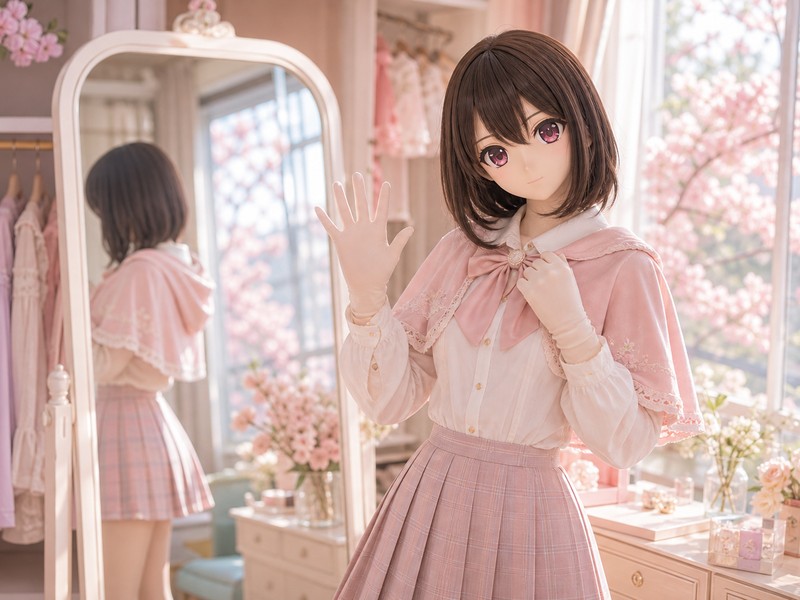
The appeal of Kig hand-foot endpoints rarely begins with a configuration table. It begins with a close-up: fingertips lightly holding the head shell while the hand back still reads as the same skin layer; toe tips stepping into Mary Janes without the shoe opening cutting the character apart. That is when Kig stops being only a beautiful face and becomes a continuous character from face to fingertips and toe tips.
Hands and feet are not a casual checkbox at the end of the order, and they are not only for full-option veterans. They are among the first details worth steadying once the look clicks: not necessarily top specification, but enough that wrists, ankles, and shoe openings do not throw the character back into reality.
Endpoint1 continuity is not about piling on options. It is about clean body boundaries: forearm to five fingers, ankle to toe tips, opening to closed state, shoe space to standing posture. Each one decides whether the edge of the frame still reads as the same character.
- When the hand back enters a close-up, it should still read as the character’s hand.
- When adjusting the shell, wig, or prop, the wrist and fingertips should not suddenly break continuity.
- After the foot enters a shoe, review whether the five-toe shape and ankle still read as the same Kig skin layer.
- Openings and external layers should support field use without stealing the endpoint read.
Where will these hands and feet be seen? Start from scenes, not option lists
Imagine the three scenes this Kig setup will appear in most instead of staring at an option table. Close-up shooting, long event wear, solo movement, exposed-foot sitting poses, uniform shoes, and boots all ask different things from endpoints. Decide what will be seen, touched, and walked in before choosing which parts deserve the first questions.
A first suit does not need every option. Protect the endpoints most likely to enter frame or affect movement. Can the hand hold a phone and water bottle? Can the foot enter the shoe and walk? Does the closed opening steal attention? These are more useful than a full-option label.
- More close-ups: prioritize hand backs, fingertips, toes, wrist/ankle transitions, and same-tone material.
- Long event wear: prioritize openings, phone use, hydration, abrasion, cleaning, and shoe space.
- Solo movement: confirm whether the hand opening can be used alone and whether it affects phone, bag, or shell handling.
- Exposed feet or foot shots: review five-toe sock feet, toe length, ankle edge, and toe-box space together.
- Limited budget: keep endpoints that appear most and affect action most; decorative outer layers can wait.
Product words are clues first: gloves, nail pieces, full package, and add-on payments
Listing words can be tempting. `Kigurumi gloves`, `nail pieces`, `five-finger separation`, and `hand zipper` can make it feel as if the hand is already solved. But Kig endpoints are where a clever title can outrun the actual structure: the result may be a regular long glove, latex glove, paw accessory, or an add-on entry that still needs a proper conversation.
Treat those words as clues, not confirmation of the finished item. Search results may mix latex, furry paws, regular cosplay gloves, and detail-modification listings. Even when `kigurumi` appears in the title, ask whether the item is actually a Kig skin endpoint.
Search-page price is only an entry price, not the final SKU price, full setup price, add-on total, or delivered cost. If a tool reads `no multi-spec`, it only means the tool did not read multiple specs at that moment; it does not prove there is no size, color, material, thickness, or customer-service confirmation flow.
- Title words are clues: high stretch, breathable, five fingers, nail pieces, and hand openings all need to become follow-up questions.
- Prices are entry points: search price, SKU price, add-on payment, and final delivered cost stay separate.
- Tools are helpers: no multi-spec does not prove there is no customization conversation.
- Add-on links are payment entries: special listings and balance links still need to map to concrete body parts, materials, colors, order notes, lead time, and after-sales boundaries.
- Seller images and buyer images are separate: seller images show what a shop displays; buyer review photos only prove what is visible in that photo. Unseen positions stay sample-needed or arrival-check-needed.
Hand continuity: five-finger fabric hands are not only about counting five fingers
As a close-up target, a Kig fabric hand should feel like the same skin-tone layer continuing from forearm to fingertips. Five fingers are only the starting point. Look for thin fabric, soft separation, rounded covered tips, and a wrist that does not suddenly become a normal sleeve cuff. A common beginner trap is thinking five visible fingers are enough; thickness, hollowness, stiffness, and color breaks can still ruin the endpoint.
The palm matters too. A straight hand can stay smooth, and a bent hand may show fine tension lines, but it should not collapse into bulky glove wrinkles. Fingertips should not expose bare fingers, real nail outlines, fake nails, or hard grooves.

- Close-up target: if the maker can make a base five-finger fabric hand, confirm same tone, same material, and similar thickness; separate outer gloves need extra wrist-edge review.
- Fingertips: rounded fabric endpoints without real nail outlines, fake nails, hard grooves, or exposed fingers.
- Finger separation: soft separation, not deep grooves and not fused into one piece.
- Palm: straight hand stays as smooth as possible; bent areas show fine tension lines rather than thick glove folds.
- Wrist: forearm to hand back should not read as a regular sleeve cuff.
Hand movement: phone use, shell support, and wig fixes still need continuity
A hand is not finished just because it looks good in a flat lay. When using a phone, holding the head shell, adjusting the wig, holding props, or passing a drink, finger length, palm width, hand circumference, and wrist edge all show up together. The steadier the endpoint, the more natural the action feels; if it is too bulky or loose, the close-up breaks at the hand first.
Do not bury hand circumference, palm width, finger length, and hand structure at the end of an order note. Attached hands, separated gloves, long gloves, nail pieces, half-finger, and fingerless designs serve different purposes. If close-ups matter, ask whether the base hand setup can prioritize same tone, thin fit, no real-nail read, and wrist continuity.
Event-day trouble is rarely about not being decorative enough. It is small actions failing: the phone will not unlock, the bottle will not open, a wrist line appears while holding the shell, or the shoe squeezes toes into one lump after walking. Steady endpoints reduce awkward moments; they are not there to fill an option table.
- Phone use: review finger length, palm width, and touch operation, not only flat-lay shape.
- Cup / prop holding: see whether finger separation and palm fabric bunch up while gripping.
- Shell support / wig fixes: once the hand lifts, wrist and forearm continuity enter the frame.
- Hydration / temporary handling: if a hand opening is needed, confirm whether one person can operate it.
- Styling layer: nail pieces, long gloves, and outer gloves need add-on, replacement, and fingertip-continuity checks.
Foot continuity: five-toe sock feet must work together with shoes
Five-toe sock feet2 are not about chasing a bare-skin foot illusion. They help the lower-body endpoint stay continuous when feet appear in sitting poses, home-feel scenes, exposed-foot shots, or shoe-fitting images. During questions and delivery review, look for short rounded toe tips, soft separation between toes, and an ankle that continues into the leg without a trouser-cuff read. Regular skin-tone socks, regular five-toe socks, or dance socks may cover skin, but they do not automatically solve tone match, ankle continuity, rounded toe tips, or shoe distortion.
The foot still has to pass the shoe review. Mary Janes, uniform shoes, small leather shoes, and boots all have different toe-box heights, widths, insoles, and walking duration. A five-toe flat lay can look good and still distort inside a shoe.

- Toe tips: short rounded fabric endpoints; not overlong, sharp, claw-like, or nail-like. Too long can make points inside the shoe, while too short and blurry may look like a plain sock lump.
- Toe separation: soft separation, not hard deep grooves.
- Ankle edge: transition from lower leg to foot back without a trouser-cuff line.
- Toe box: confirm height, width, insoles, and sock layers to avoid shoe compression.
- Walking: before long event wear, walk briefly and review toe-root shape and in-shoe distortion.
Maintenance openings should serve field use: a hand opening is not just zipper wording
`Zipper` wording is highly ambiguous. It may refer to a head-shell pull tab, a back zipper, a wrist or palm-side hand opening, another maintenance opening, a latex detail zipper, or even a deposit / final-payment page. If a title says `hand zipper`, that only makes it worth asking about; it does not prove the position, closed-state visibility, or a universal hidden structure.
The steadier question is whether the maker can make a low-visibility hand opening at a workable position. If yes, ask about placement, length, whether the pull shows when closed, fabric catching, solo operation, and repair boundary. Open state shows how the opening works; closed state decides whether it can enter close-ups.

- Split the words: zipper pull, hand opening, back zipper, and other maintenance openings are not the same thing.
- Ask placement: inner wrist, palm side, thumb-root area, or another structure path should follow the maker’s actual plan.
- Ask closed state: teeth, pull, bulge, fabric catching, or wrist cuff lines matter in close-ups.
- Ask operation: can one person use it, and does it affect phone use, hydration, or shell support?
- Ask repair: what happens if it breaks, how to send it back, and whether it changes add-on cost or lead time?
Outer layers and nail pieces are styling layers, not base endpoints
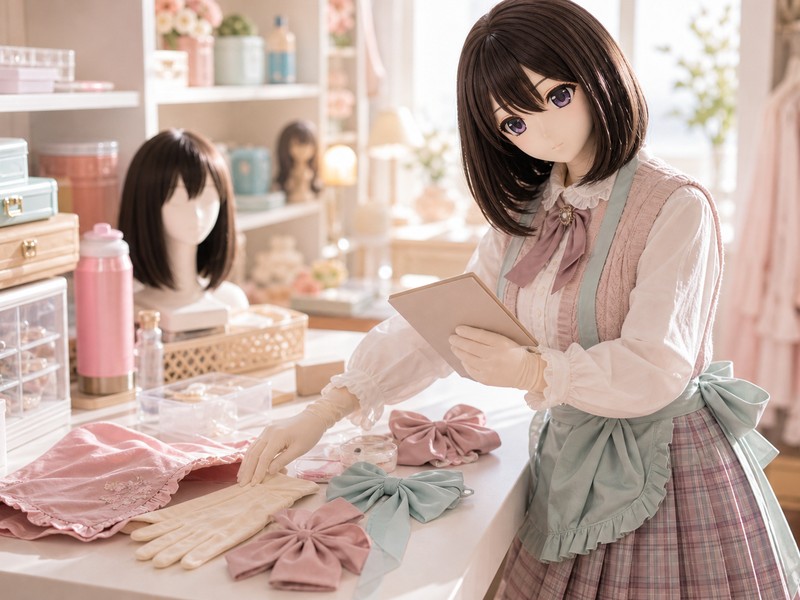
Nail pieces, long gloves, regular skin-tone socks, regular five-toe socks, paw covers, plush foot covers, and shoe covers can add styling or coverage. They do not prove that the base Kig skin endpoint is complete. If these areas will enter frame or affect use, the fingers, toes, wrists, and ankles still need their own base review after outer layers are removed.
If the character really needs nail pieces or outer paw covers, treat them as styling layers: confirm color match, fixing method, whether they affect fabric-covered fingertips, whether they can be replaced, and whether they abrade the base. Latex, furry paws, regular cosplay gloves, and Kig skin endpoints should stay separate categories.
- Nail pieces / long gloves: character styling layers or independent accessories, not substitutes for base five-finger fabric hands.
- Paw covers / plush foot covers / shoe covers: they can strengthen the character style, but check whether the inner base is squeezed or abraded.
- Latex / furry / regular cosplay gloves: search results may mix them in; do not automatically treat them as Kig skin endpoint routes.
- After outer layers come off, the base endpoint still needs to be checkable if it enters frame or affects use.
Ordering and delivery review: write endpoints into notes and photograph them as actions
To keep the initial spark from becoming after-sales chaos, write hand-foot endpoints down before ordering. That is not about becoming a fussy inspector; it is about making sure the close-up continuity that made Kig appealing actually lands in the finished item. Hand structure, same tone/material, hand opening, foot structure, five-toe sock feet, shoe space, add-on payment links, and after-sales boundaries should enter order notes or a private confirmation note. If the seller has not shown a sample, closed-state image, or relevant buyer review photo, mark the detail as still unconfirmed instead of imagining it.
Delivery review does not mean turning myself into a factory inspector, but the endpoints need a few photos. Hands: hand back, palm, natural half-bend, phone or prop holding, shell support, and open / closed hand-opening states. Feet: instep, sole, side view, standing load, front and side views after wearing shoes. For long event wear, walk briefly and review toe-root distortion and ankle changes again.
- Endpoint order question 01: does the base five-finger fabric hand continue in same tone and material to the fingertips?
- Endpoint order question 02: can the hand use a phone, hold water, support the shell, and operate openings solo?
- Endpoint order question 03: where is the hand opening, and will it steal attention when closed?
- Endpoint order question 04: how do five-toe sock feet and toe-box space work together after shoes are worn?
Reading notes
- Title words and SKU wording only prove that a term appeared; add-on links only prove that something may be a payment container; seller images show what a shop displayed; buyer review photos only prove what is visible in that photo. Unseen positions stay sample-needed or arrival-check-needed.
- Taobao titles, search prices, comments, add-on payment links, and SKU tool results are follow-up clues only; they do not prove delivered craftsmanship, quality, full setup, or final delivered cost.
- `No multi-spec` only means the tool did not read multiple specs at that moment; it does not prove there is no size, material, color, thickness, or customer-service confirmation flow.
Continue reading
Planning Kig Openings: Keep the Complete Look and the Event Day Usable
A clean closed look can be the spark, but access openings should not remain a casual “add a zipper” request. Put the back zipper, face window, large-U access, hand opening, matching finish, fabric lip, selected option, top-up link, and alteration boundary into the order note. Confirm position, range, pull, coverage, operator, and delivery review before payment.
Continue reading →Kig Maintenance Openings: Keep the Look Complete, Keep the Event Flow Ready
A Kig skin feels most convincing when the silhouette stays clean, but comfort still needs practical access. Face windows support breathing, hydration, sweat management, and vision; back zippers support dressing and safe exit; large-U access supports restroom maintenance during longer events; inner-wrist or palm-side openings help with phones, bottles, outerwear, and shell adjustment.
Continue reading →New Kig Skin Arrived: Keep the First Record Before the First Try-On
A new Kig skin makes an immediate try-on tempting. Keep that excitement and give the package ten quiet minutes first: photograph the packaging, order note, top-ups, flat lay, head-shell context, hand-foot endpoints, and access openings. If the main details match, the short try-on becomes easier; if something is missing or unclear, the conversation no longer depends on memory.
Continue reading →