Auto-detect first; manual choice is saved
Auto-detect first; manual choice is saved
The First Kig Outing: Pack the Excitement and the Way Home
Let the character shine in public with hydration, cooling, support, rest points, clear boundaries, and a graceful way home planned before event day.
Contents
Now · Turn the night-before table into a small backstage
Quick take
A first outing does not need to prove anything by lasting all day. Choose a short appearance, a clear rest point, a support person who knows the signals, and a bag that keeps water, fan, towel, phone, and shell storage within reach. Narrowed sight, rising heat, difficult hydration, or an uncomfortable crowd means it is time to leave.
Turn the night-before table into a small backstage
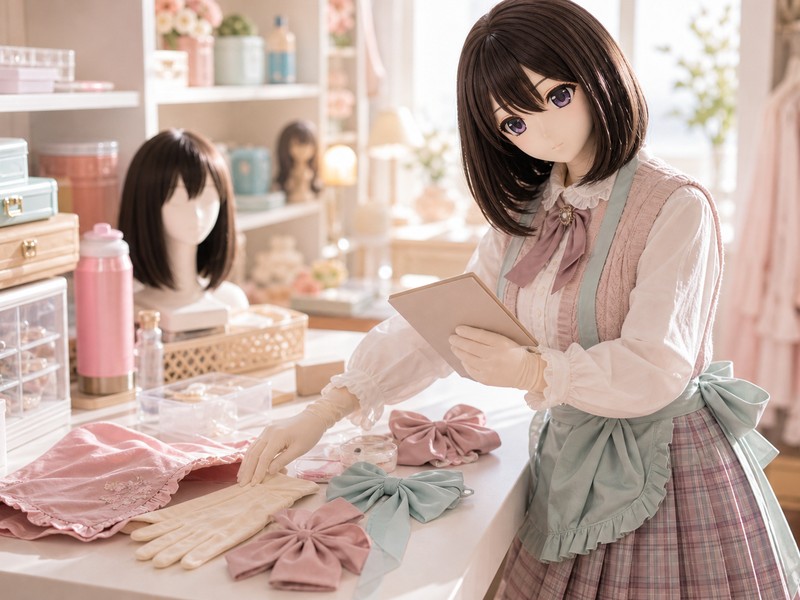
Before a first offline Kig outing, lay out the head shell, Kig skin, wig, costume, shoes, water bottle, small fan, towel, repair pouch, storage bags, tickets, phone, and power bank. It may feel ceremonial, but the real purpose is to catch missing items while everything is still at home.
Inside Kig, sightline, speech, hand use, and heat release all differ from ordinary clothing. Taking the character outside therefore requires a small backstage system, not only a cute outfit.

- Head shell and wig: check fixing, vision, storage, travel protection, and the place where the shell can be removed.
- Kig skin and costume: check zippers, maintenance openings, hand-foot coverage, shoes, and outer-layer clearance.
- Support1 pouch: water, towel, fan, tissues, charging cable, spare pouch, and small repair items should be reachable fast.
- Phone and tickets: power, ticket, ID, meetup point, and emergency contact stay where support can find them.
Put hydration and cooling on the schedule
Kig skin, a head shell, wig, and outer costume layers make heat a normal variable rather than a surprise. Water and rest should not wait until discomfort arrives; by then, the character mood and photography rhythm may already be dropping.
A steadier plan answers simple questions in advance: how often to rest, where to drink, who carries the bottle, whether a straw bottle works, where the fan is, and whether an outer layer can come off temporarily. Kig is not an endurance exam.

- Before leaving: check the weather, venue airflow, queue time, and available seating.
- During the outing: drink by time, not only when thirst becomes obvious.
- Support bag: fan, towel, tissues, spare pouch, and water should have an assigned person.
- Stop line: heat, dizziness, slow reaction, poor visibility, or unusual weakness means pause first.
Rehearse vision, sitting, standing, and walking before leaving
A head shell narrows sight, Kig skin changes hand feel, and costume volume changes walking and sitting. Stairs, doors, phone use, and water handling should be tested before a crowd is involved.
At home, put on the shell, stand, walk slowly, turn, sit, hold the bottle, check the phone, open the storage bag, and let support guide from the side. The rehearsal does not need to look beautiful; it only needs to reveal where the setup catches, heats, narrows sight, or slows the hands.
- Path: stairs, corners, thresholds, elevators, and crowded corridors should be imagined before the event.
- Hands: fabric fingers, wrist access, phone operation, and bottle handling need a quick test.
- Sitting: skirt volume, coat, shell vision, and foot space should work together.
- Storage: shell bag, costume bag, and repair pouch should open without a treasure hunt.
Support is the on-site radar, not a decorative bag hanger
For a first offline outing, support should be more than someone asked to hold a bag at the last minute. Inside Kig, sight narrows, speech may be limited, and hand operations can slow down. Support becomes the wearer’s radar, guide, quick translator, and distance guard.
Before the event, agree who carries water, watches time, answers close-photo requests, guides the wearer to rest, and recognizes the signal for leaving the crowd. Support should know where the wearer can sit, drink, remove the shell, reach the restroom, and leave quickly.
- Body-state radar: watch walking, response speed, gestures, heat, and fatigue.
- Venue guide: know entrances, rest points, restrooms, elevators, exits, and meetup points.
- Boundary responder: photo distance, touch, personal questions, and price questions get short answers.
- Item handoff: phone, tickets, bottle, fan, towel, shell bag, and storage pouch each belong somewhere.
Put restrooms, rest points, and exits on the map first
The first outing often goes wrong not because the outfit is bad, but because everything is left to ‘we will see when we get there.’ Finding restrooms, exits, quiet corners, and photo spots after the crowd arrives puts all pressure on the person already wearing the most restrictive setup.
Before leaving, note the entrance, first rest point, nearest restroom, photography spots from near to far, a quieter path, and the door used for leaving. The note only needs to be clear enough for support to read at a glance.
- Mark rest points before photo spots; rest points are more important than camera positions.
- Confirm restroom location and whether outer layers and maintenance openings are practical.
- Keep the walk short, flat, and away from narrow corners when possible.
- Write the exit path: leave the crowd, remove the shell, change back, and pack the setup.
Photos, stamps, touch, and the graceful exit
The fun part is meeting friends, taking photos, collecting little memory shots, and hearing ‘the character feels alive today.’ But inside Kig, sudden touch, people standing too close, grabbing hands, shooting from behind, price questions, or source questions can feel uncomfortable very quickly. Clear boundaries make interaction easier, not colder.
The first outing also needs an ending: where to leave the crowd, remove the shell, change back, place the shell and Kig skin into storage, and begin the trip home. If the venue has no useful rest area, shorten the appearance rather than filling the day with wear time.

- Photo distance: decide in advance how close people may stand and where hands or props may go.
- Touch boundary: head shell, wig, face window, hands, feet, and costume structure are not for strangers to touch by default.
- Privacy line: price, identity, order details, and maker communication do not need on-site explanations.
- Exit signal: agree on water, remove shell, leave crowd, and end event signals before going out.
- Afterward: record what worked, what felt hot, what was hard to reach, and what should change next time.
Reading notes
- This is an event-prep checklist, not a replacement for venue rules, staff instructions, or medical advice.
- If clear discomfort appears, stop the activity first, move to a cooler place, and follow on-site safety procedures.
- Long wear does not have to be the goal; short, segmented, or early-ending plans can be valid and often better for a first outing.
Continue reading
Kig Street Snapshots: Let the City Breathe Around the Character
Street snapshots work best when the character feels present without fighting the city. Keep the outing short, choose comfortable shoes, move the camera farther back, protect the head-shell sightline and covered endpoints, agree on companion cues, carry water, and leave before the frame grows tired.
Continue reading →Kig on Stage: The Spotlight, the Bow, and a Clean Exit
A stage look is not a street outfit with louder music. Plan the performance as a chain: arm lift, turn, blocking, stairs, prop work, bow, water, recovery point, and exit. Then check whether the hard shell, wig edge, hadatai neck, Kig-skin stretch, fabric hands, covered feet, shoes, costume layers, support cues, and camera distance can survive the full sequence.
Continue reading →Kig Lolita Tea Party: Let the Skirt Sit Before the Photographs Begin
A Kig or animegao Lolita tea party is easy to love: skirt volume, porcelain cups, warm light, and group photographs can make the character feel as if she stepped out of an editorial spread. The skirt still has to fit the chair, the cup has to fit the hand, the shell has to meet the neck cleanly, and the wearer still needs water, rest, and an easy exit. Rehearse sitting, standing, holding a cup, using a phone, taking photographs, hydrating, and leaving.
Continue reading →