Auto-detect first; manual choice is saved
Auto-detect first; manual choice is saved
Kig Oshi-Bag Travel: Cute on the Way Out, Organized on the Way Home
Balance merch display, head-shell transport, Kig-skin storage, phone tickets, hydration, privacy, and return packing within one manageable day out.
Contents
Now · Choose the day first: city café, venue queue, or overnight trip
Quick take
Begin by naming the day: a quick café stop, venue queue, pilgrimage, or overnight trip. Decide who carries the shell, how the Kig skin stays separate, how much display remains visible, who handles the phone, where water is available, and which tickets, room cards, screens, and background details stay out of photographs.
Choose the day first: city café, venue queue, or overnight trip
The same oshi activity can mean very different packing pressure. A light city cafe run asks for phone access, transit card, display layer, and simple hydration. A venue queue adds storage, rest points, weather, and support. A cross-city or overnight trip adds shell transport, luggage zones, changing space, drying, and return packing.
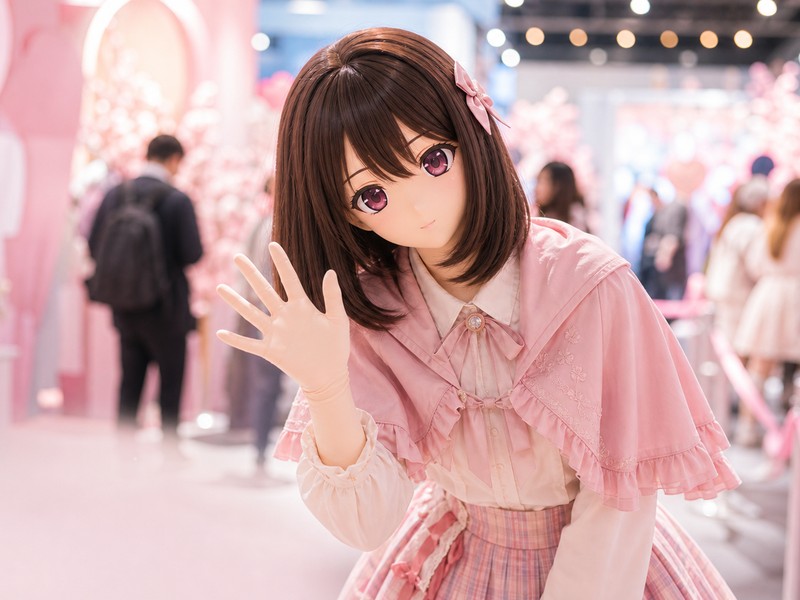
When Kig / animegao enters the frame, the hard shell, wig, Kig skin, outer outfit, shoes, oshi bag, daily pouch, and suitcase all compete for space. Write the travel plan first, then decide merch amount, bag size, shoes, change bag, hydration method, and support roles.

- City cafe: phone, transit, display layer, and light hydration first.
- Venue queue: water, rest point, storage, support roles, and exit plan first.
- Overnight trip: shell protection, Kig-skin bags, drying, laundry pouch, and return packing first.
- Pilgrimage photos: route, privacy, readable background, and quick exit first.
Three-layer oshi bag: display for love, weight for survival, privacy for brain cells
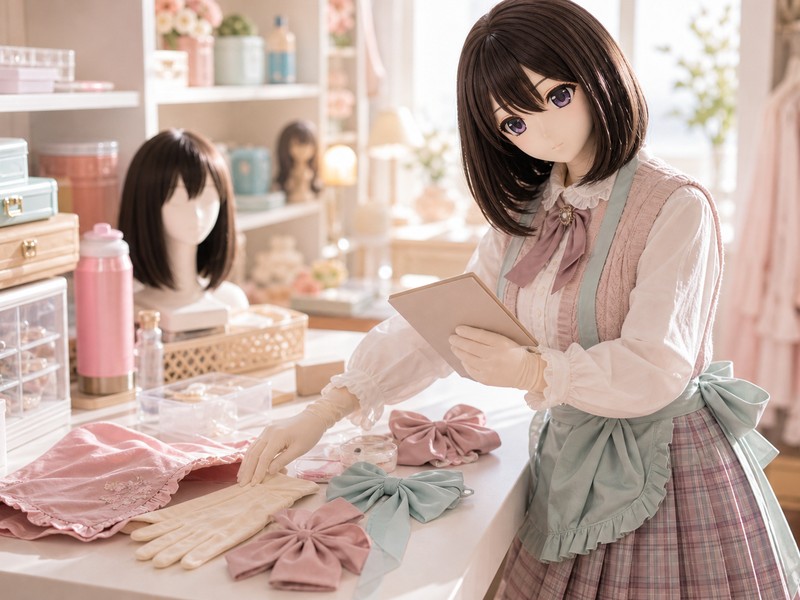
The clear front is the most tempting part, but the trip is saved by the hidden layers. The display layer carries anonymous color, abstract decorations, and photo-safe goods. The weight layer carries water, tissues, fan, pouches, and spare liners. The privacy layer holds tickets, room cards, IDs, orders, phone screens, and contact details.
Do not let the clear window become a privacy megaphone. Character art, ticket numbers, room cards, venue codes, names, chat screens, and platform interfaces stay away from casual photographs. Love can be loud; personal data can stay boring and invisible.
- Display layer: anonymous color cards, abstract charms, and photo-safe small items.
- Weight layer: water, tissues, mini fan, pouches, spare liner, and repair basics.
- Privacy layer: tickets, room cards, IDs, orders, phone, and chat records.
- Shoulder load: more merch is more weight; the shoulder is not a warehouse shelf.
Head-shell transport: not a hat, not a potato
An animegao shell is a hard character shell, not a hat to toss into a suitcase and not a potato that survives everything. Travel planning needs compression control, moisture control, sunlight control, scratch control, and wig-shape protection. A soft carrier, support ring, inner padding, and separate position beat ‘cover it with clothes and pray’ every time.
Arrival unpacking also needs order: check the shell face, eye area, lower rim, and wig first; then check Kig skin, hands, feet, shoes, and bag display. On the way back, sweat, dust, drink smell, dark fabric, and wet towels do not share one bag with pale Kig skin or the shell face.

- Compression: support the shell separately; do not press weight onto the face or eye area.
- Moisture: separate rain gear, sweat-wet clothing, and drinks.
- Scratch: protect eye area, makeup surface, lower rim, and wig fiber.
- Return: separate dirty, wet, clean, fragile, and private items.
Kig-skin storage: pale fabric stains, wet fabric steams, rough goods scratch
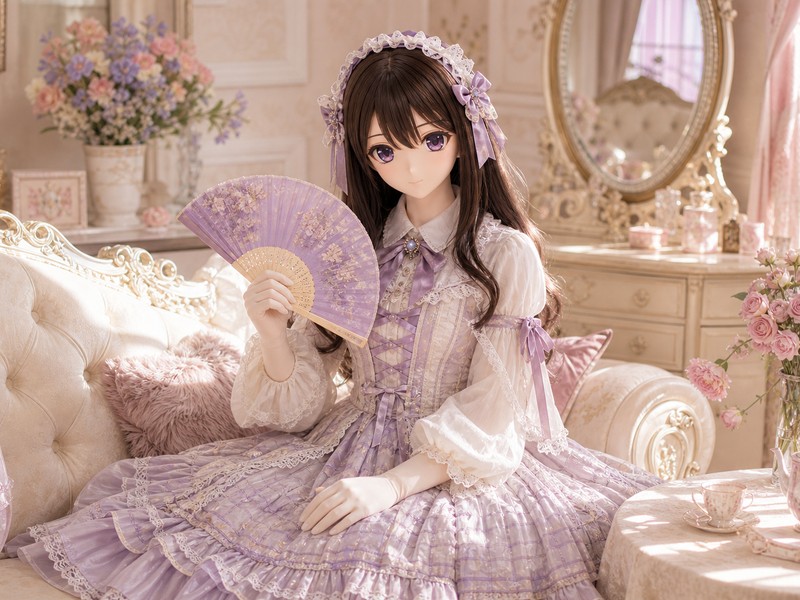
Kig skin hates chaotic packing. Pale fabric can pick up color from dark clothing, bag lining, or unstable decoration. Sweat-wet fabric sealed in a pouch can develop odor and pressure marks. Velvet, glitter, metal edges, and rough acrylic goods can rub the surface.
Prepare clean bags, wet-item bags, laundry bags, and separate shell and wig storage. After wearing, let the fabric breathe as soon as possible. If the place does not allow a full reset, still keep the shell, wig, display layer, and wet Kig skin apart. Travel is not a laundry experiment; no need to cook every risk in one bag.
- Pale Kig skin: keep away from dark clothing, unstable dyes, rough hardware, and sharp goods.
- Wet items: bag separately, then ventilate and clean as soon as the room allows.
- Endpoints: keep fingertips, toe tips, wrists, and ankles from being crushed by hard items.
- Return packing1: clean, dirty/wet, fragile, and private items each get a zone.
Five-finger hands and phone tickets need rehearsal
Oshi travel uses the phone constantly: navigation, photos, scanning, payment, messaging, ticket checks, and hotel maps. Five-finger Kig fabric hands look right, but touchscreen use, ticket handling, zipper pulling, and bag opening should be tested before leaving. Discovering at the venue gate that every fingertip behaves like a polite marshmallow is not ideal.
If phone use is frequent, wrist or palm-side access should be planned. Complex phone work can also move to a support helper. Before posting photographs, check the screen, ticket number, chat window, location, and background; one cute travel image should not publish the whole itinerary.

- Touchscreen: unlock, photo, scan, map, and message before leaving.
- Tickets: paper tickets, QR codes, room cards, and transit cards stay off camera.
- Support: give complex screen work to a helper instead of fighting the phone on site.
- Privacy: screen, chat, ticket number, location, and background get one last look.
Photos, transport, and hotel reset: getting back safely is part of the look
City travel photographs are easy to love and easy to leak. Tickets, hotel views, room cards, door numbers, bystander faces, shop signs, plates, platform interfaces, and location clues can enter the frame when the background feels casual. The more life-like the image is, the longer the background deserves before posting.
Transport and hotel planning protect recovery. Where does the shell sit? Where does Kig skin breathe? How are wet items separated? How does the return bag close? Is another shoot planned tomorrow? Oshi travel is not a one-shot burnout trip. Getting back, unpacking, and keeping the character ready is part of the joy.
- Transport: shell and oshi bag avoid compression; luggage position is planned early.
- Hotel: leave space for drying, storage, hydration, and item checks.
- Photos: remove readable ticket, room, passerby, plate, shop, and screen details.
- Return: wet items, laundry, shell, wig, and clean Kig skin separate again.
Reading notes
- This guide discusses Kig / animegao packing, travel support, and photo privacy for oshi activities, not anyone's spending level or fan identity.
- Visible Kig skin should come from Kig skin / matte hadatai / zentai coverage, not real neck, hands, feet, or broken skin-tone gaps.
- Travel photos are checked for tickets, room cards, door numbers, bystanders, plates, shop signs, platform interface, and location clues before posting.
Continue reading
The First Kig Outing: Pack the Excitement and the Way Home
A first Kig outing packs more than a head shell and body layer. Hydration, cooling, sightline, support, restroom access, rest points, a repair pouch, storage, photo boundaries, and a clear way home determine whether the day ends with good photographs or an exhausting recovery. A short, calm, well-supported appearance is already a real start.
Continue reading →Kig Street Snapshots: Let the City Breathe Around the Character
Street snapshots work best when the character feels present without fighting the city. Keep the outing short, choose comfortable shoes, move the camera farther back, protect the head-shell sightline and covered endpoints, agree on companion cues, carry water, and leave before the frame grows tired.
Continue reading →Kig on Stage: The Spotlight, the Bow, and a Clean Exit
A stage look is not a street outfit with louder music. Plan the performance as a chain: arm lift, turn, blocking, stairs, prop work, bow, water, recovery point, and exit. Then check whether the hard shell, wig edge, hadatai neck, Kig-skin stretch, fabric hands, covered feet, shoes, costume layers, support cues, and camera distance can survive the full sequence.
Continue reading →