Auto-detect first; manual choice is saved
Auto-detect first; manual choice is saved
Before Payment: Read the Photo, Product Page, and Maker Reply Separately
A beautiful photograph and a low visible price may create the spark. Keep product wording, selected options, top-ups, lead time, and after-sales terms within what each source actually confirms.
Contents
Now · Keep the perfect photo, but ask what it actually shows
Quick take
The photograph lights the match; a short receipt keeps the order readable. Record the image that created the interest, then place the main item, selected SKU, top-ups, lead time, and after-sales wording on separate lines. Ask when a line is unclear and leave unseen details blank rather than filling them with optimism.
Keep the perfect photo, but ask what it actually shows
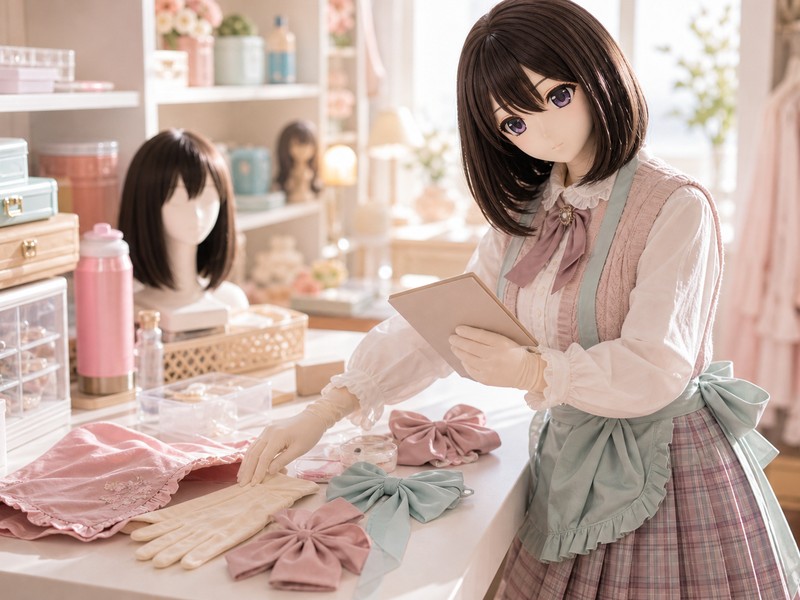
A beautiful Kig photograph rarely arrives with a spreadsheet attached. The light is soft, the wig falls correctly, the tone seems to meet the head shell, and one comment says the result feels stable. The interest is not the problem; the mistake is asking that single frame to answer the entire order.
A source note is not a fire extinguisher. It allows the image to remain appealing while moving it from reason-to-pay back to a first reference: what is visible, what is hidden, whether filters or blocking are involved, and whether the frame supports a useful maker question.
A closer reading does not make the image less appealing. It simply turns that appeal into a question that can be answered before payment.
- Image source: buyer photograph, seller photograph, or unboxing, labeled before interpretation.
- Visible price: record the date, platform, and exact wording rather than treating it as the final cost.
- Which worry matters most: tone break, endpoints, lead time, or after-sales, written as a question.
From title to receipt: split claims, SKU, and top-ups
Title claims do not need to be attacked first; they can become seller questions. Does full set include body, hands, feet, neck, face/eye window, back zipper, and large-U opening? Which tone, size, and configuration is in stock? How far can custom work change, and how are errors repaired? The sweeter the claim, the more useful it is as a precise question.
Split the order into four parts: main product, SKU options, top-up link, and special addition. The main product forms the order body, such as standard size, custom size, a base set, or a material direction. SKU options make the menu concrete. Top-up link1s settle already-discussed differences. Special additions need separate confirmation about whether they are included or purchased alongside the main order.
Phrases such as ‘single purchase, no shipping,’ ‘non-physical item,’ and ‘small top-up’ are payment rules, not option names or finished-item descriptions. Tie them back to the main order, maker reply, selected SKU, and order note before deciding whether the money covers five toes, a face window, rush work, special fabric, or something else.

- Main product: custom, standard size, material direction, base full set, or Kig base layer; check base inclusions first.
- SKU/spec option: beyond color and size, it may contain face opening, toes, zipper, fabric difference, or rush fee.
- Top-up link: for a difference, detail, or small top-up, ask which selected option and maker reply it belongs to.
- Special add-on2: bust work, breast-form vest, nail work, long gloves, separate hood, or special fabric needs separate confirmation.
Use the magnifier on buyer photos: visible structure counts
Buyer photos create safety quickly and hide details just as quickly. Warm light can soften tone breaks, poses can hide wrinkles, and wigs or collars can cover the neck transition. The magnifier does not deny that the image is beautiful. It asks plain questions: are head shell and neck in the same frame, do wrist and ankle transitions continue, are fingers and toes visible, and is the maintenance opening more than seller wording?
The same sentence—‘we can do it’—means different things on a product page, in a maker reply, in an order note, or beside a buyer unboxing. Photographs and long-term notes say more about finished behavior only when the selected SKU, material, tone, and use scene are comparable.
A yellow note is not a bad review. It means the part is not photographed, not written, or not asked clearly yet. One positive review cannot complete the purchase decision, and one negative review cannot judge an entire shop. The note describes what is known; it does not stamp a seller.

- Head-body frame: head-shell lower edge, wig cover, neck, and garment collar relationship.
- Tone continuity: head shell, neck, wrist, ankle, and legs under comparable light.
- Hand-foot endpoints: fingers/toes, covered tips, wrist/ankle transition, and shoe space.
- Maintenance structure: face/eye window, back zipper, wrist opening, and large U count only when visible or source-labeled.
Full set, lead time, and after-sales: do not let event day become a blind box
The words ‘full set’ cannot hold every detail. What matters in use is where the wrist opening sits, how the sole is handled, whether the neck is separate, whether the face-window edge affects wearing, whether the back zipper is usable, and whether large-U access supports a longer event.
Before an event, time can matter more than a small price difference. ‘As soon as possible’ is not an event-ready date. Ask when lead time starts—payment, measurement confirmation, final design, queue entry, or final payment—and where the feedback and adjustment window ends.
An order-note draft is not pressure to buy. It is a place to record tone, fingers and toes, wrist and ankle edges, face window, back zipper, large-U access, special shaping, nail work, separate hood, special fabric, rush work, and after-sales terms if the order proceeds.
- Inclusions: look for itemized wording on the body, hands, feet, neck, face window, back zipper, and large-U access.
- Material direction: regular Kig skin3, hadatai, zentai, glossy-look fabric, latex or rubber, and gel-like suits are not an upgrade ladder.
- Lead-time start: payment, measurements, finalized design, queue, or final payment.
- After-sales window: size, tone, opening, endpoint, repair days, required photographs, and shipping responsibility.
The next maker question starts here
The final page can stay short: note which image created the interest, what the page actually says, and what was merely assumed. Then record the main product, selected SKU, the option behind each top-up link, whether special additions are separate, what the photographs show, and what still needs a maker answer.
After the page is filled, continuing the conversation and waiting are both valid choices. The page cannot decide anything by itself; it only shows whether the order is based on named options or on an assumption. That does not remove enthusiasm. It gives the enthusiasm somewhere solid to land.
The interest does not need to be handed over to a filter, keyword, or one reassuring phrase. It can stay vivid while the order becomes clear.
- Next question: does this top-up cover five toes, face/eye window, rush work, or special fabric?
- Order-note draft: if the order proceeds, which options still need precise wording?
- Post-arrival recheck4: tone, endpoints, openings, zippers, add-ons, and after-sales window.
- Pause condition: key areas always hidden, no itemized configuration, no lead-time start, or after-sales not written clearly.
Reading notes
- This planning page is not a designated shop list, ranking, or instruction to purchase.
- Prices are dated samples and page wording only, not universal price guidance, lowest-price claims, or value rankings.
- Seller wording, maker replies, page fields, unboxings, and long-term notes should be read separately and only within what each source actually supports.
Continue reading
Compare Three Tempting Kig Options Under the Same Conditions
A multi-shop Kig comparison starts after the attraction has already happened: one lead has a beautiful photo, another has a tempting price, and a third replies ‘yes, can do’ almost too nicely. The table is not a ranking. It compares order structure, photographs, maker replies, delivered-cost context, and after-sales terms under the same use scene and budget.
Continue reading →How to Read Kig Review Photos Without Asking One Frame to Prove Everything
A beautiful Kig skin review photograph can be worth enjoying on its own. After that first impression, look for the lower shell rim and neck cover, wrists and ankles, five-finger fabric hands, five-toe feet, natural fabric wrinkles, and any access opening the frame actually shows. Missing details become maker questions rather than conclusions invented for the image.
Continue reading →The Night Before Your First Kig: What Comes After a Saved Image?
The image that keeps reopening in a late-night favorites folder usually arrives before the shopping cart. The useful question is not ‘what should I buy immediately?’ but what held the eye: the character face, the complete silhouette, the mood of the photograph, or the thought of meeting the character in a real place. That answer changes where the first budget belongs—perhaps a head shell, a Kig skin, an outfit, a short try-on, or a low-pressure studio session.
Continue reading →